
Uncanny
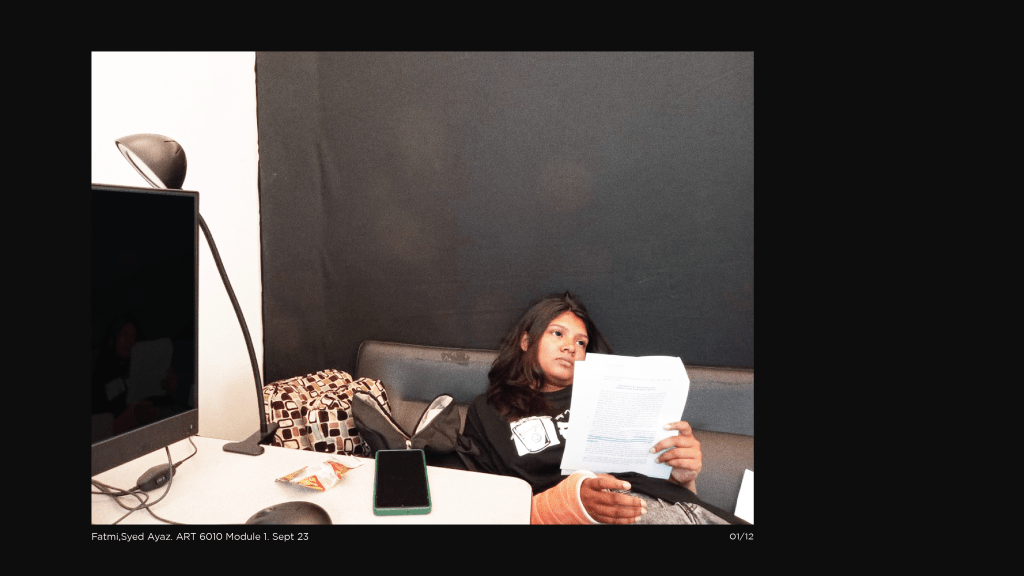
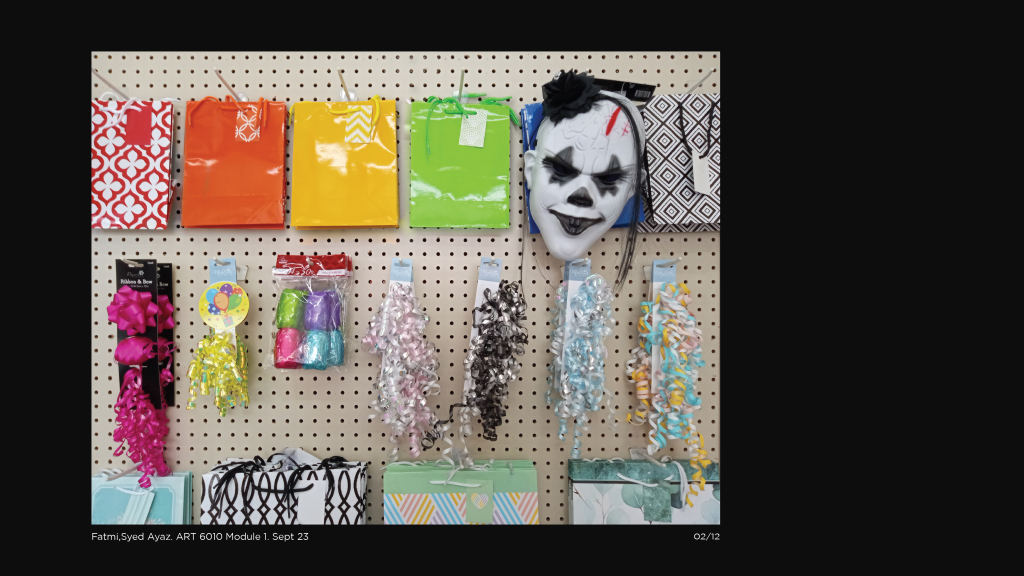
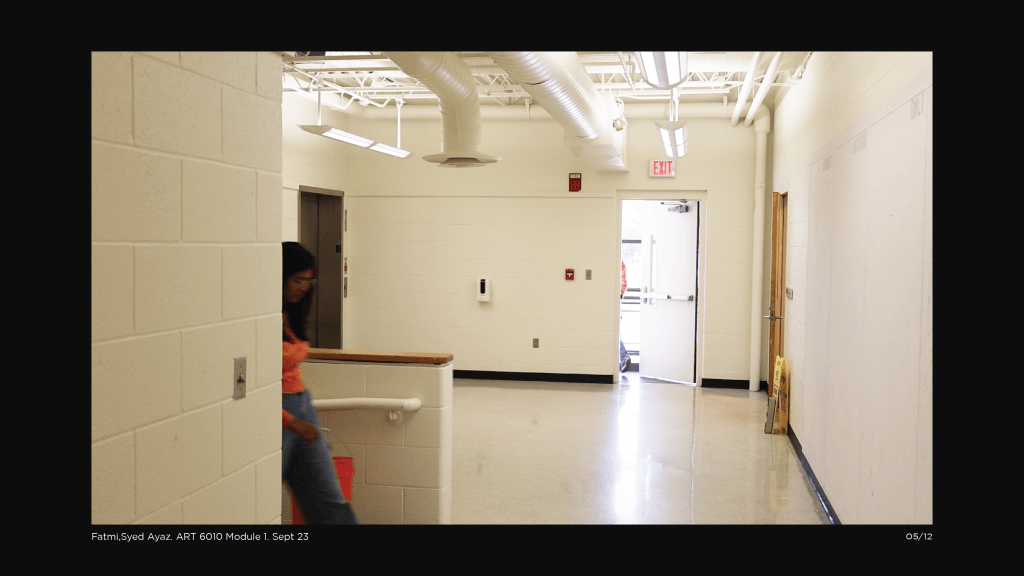
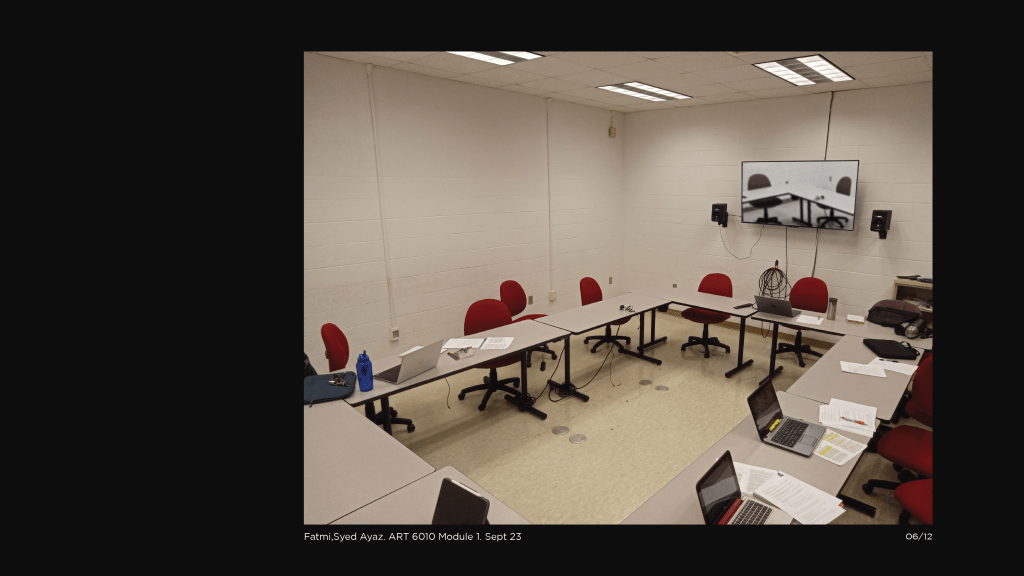
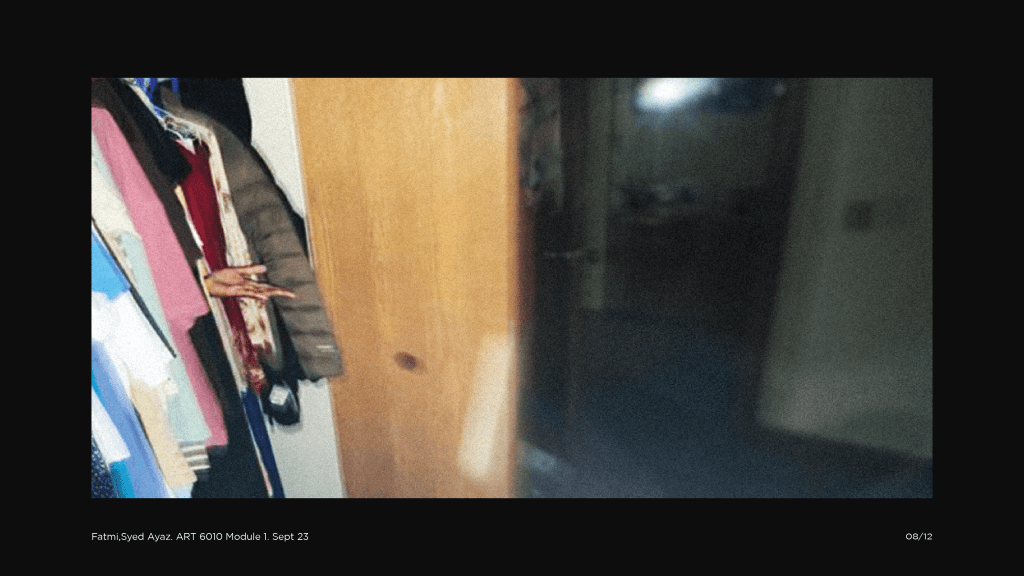
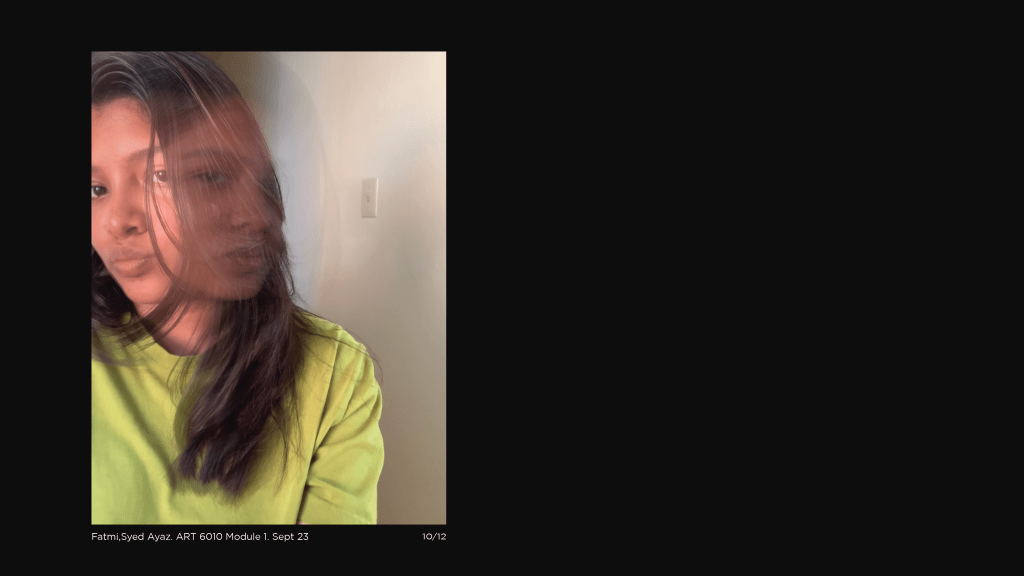
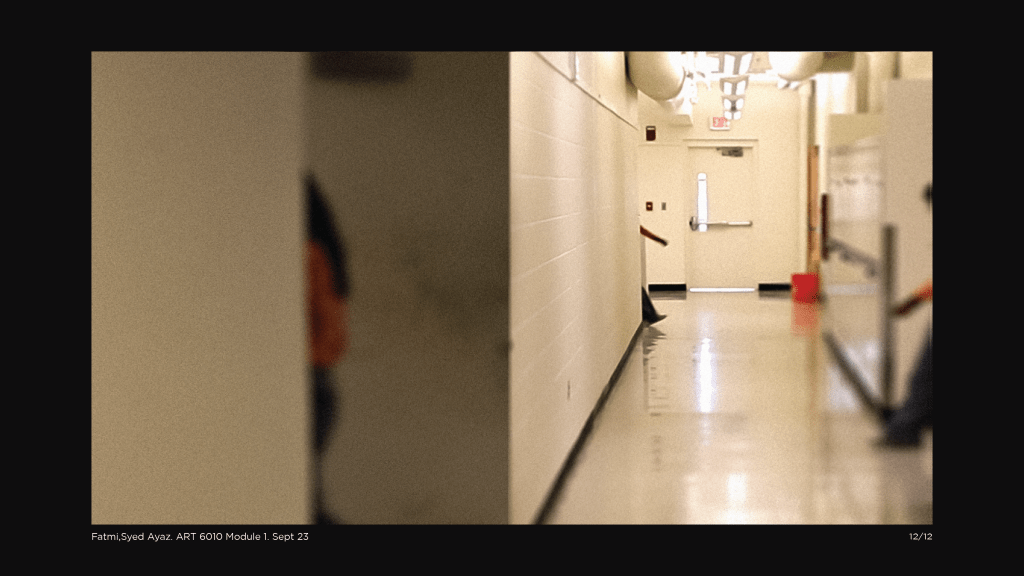
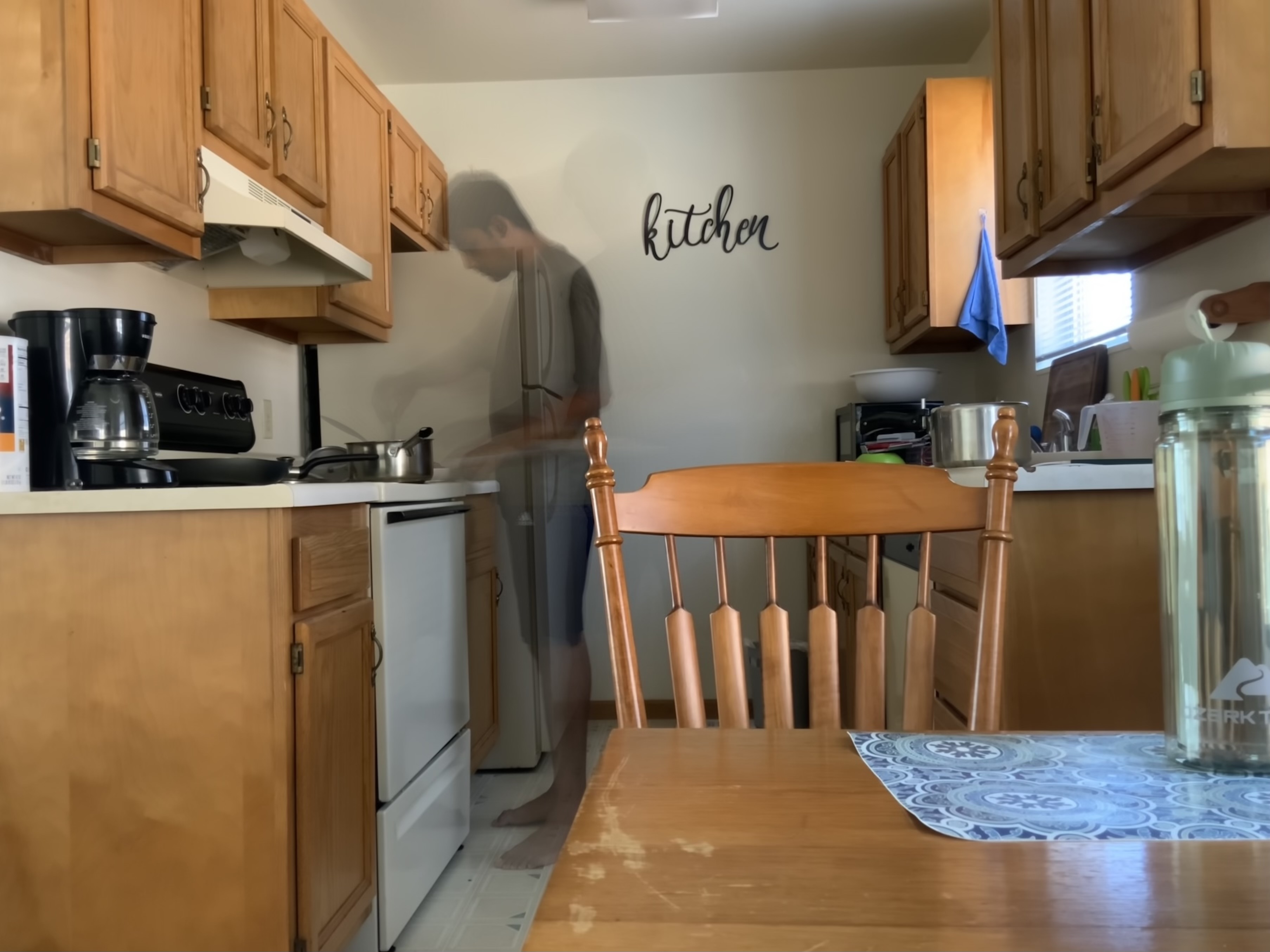
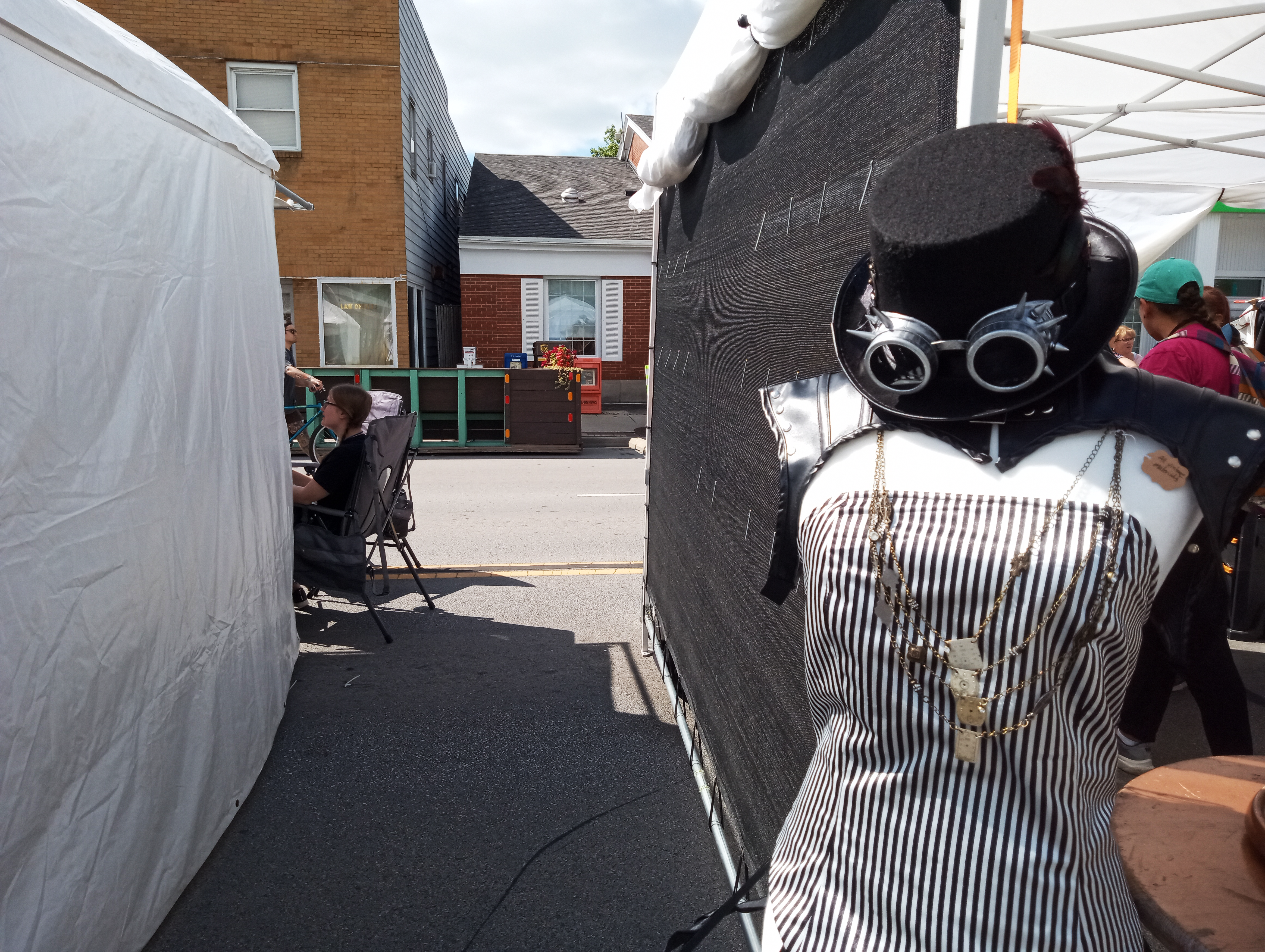
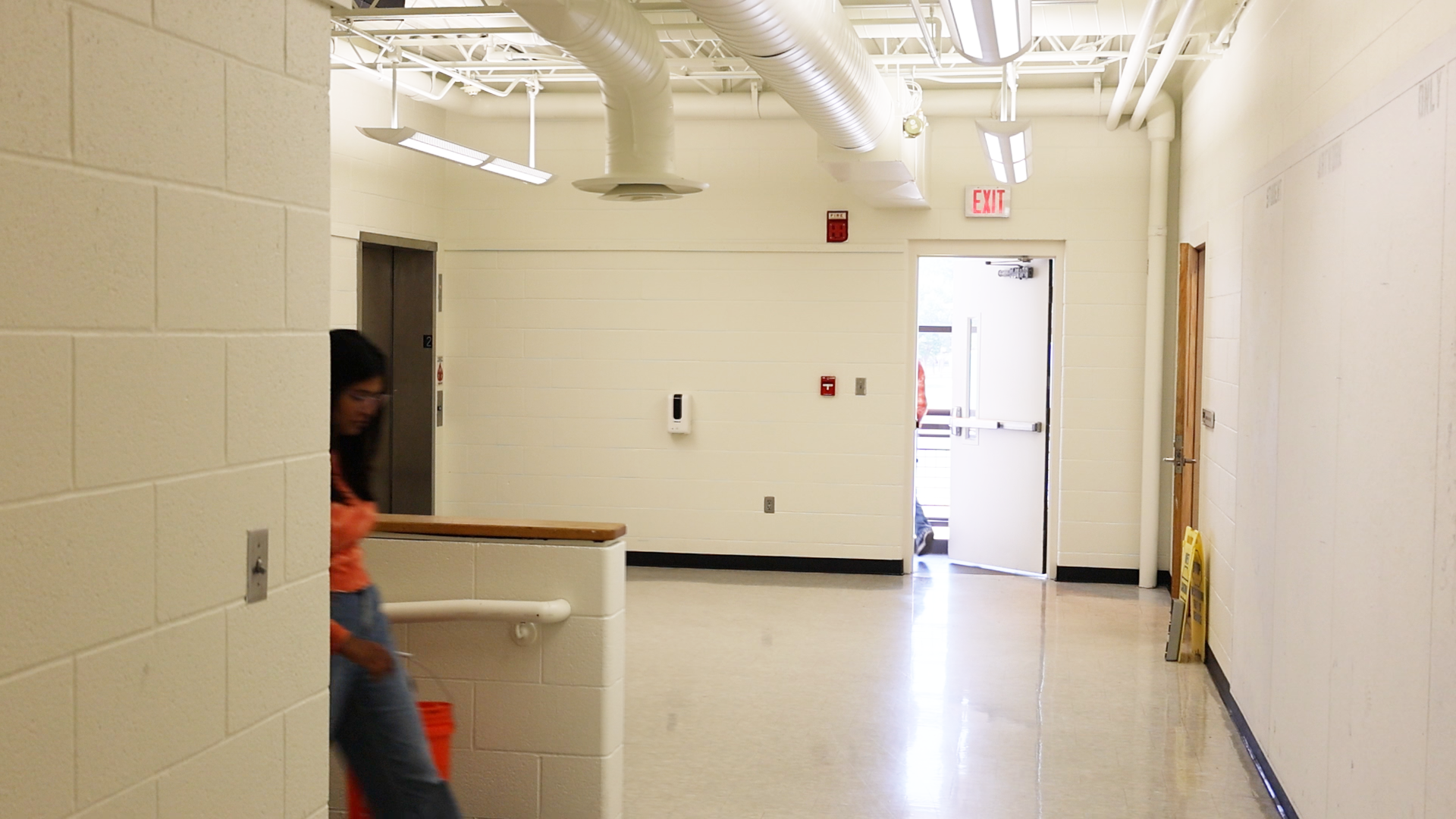
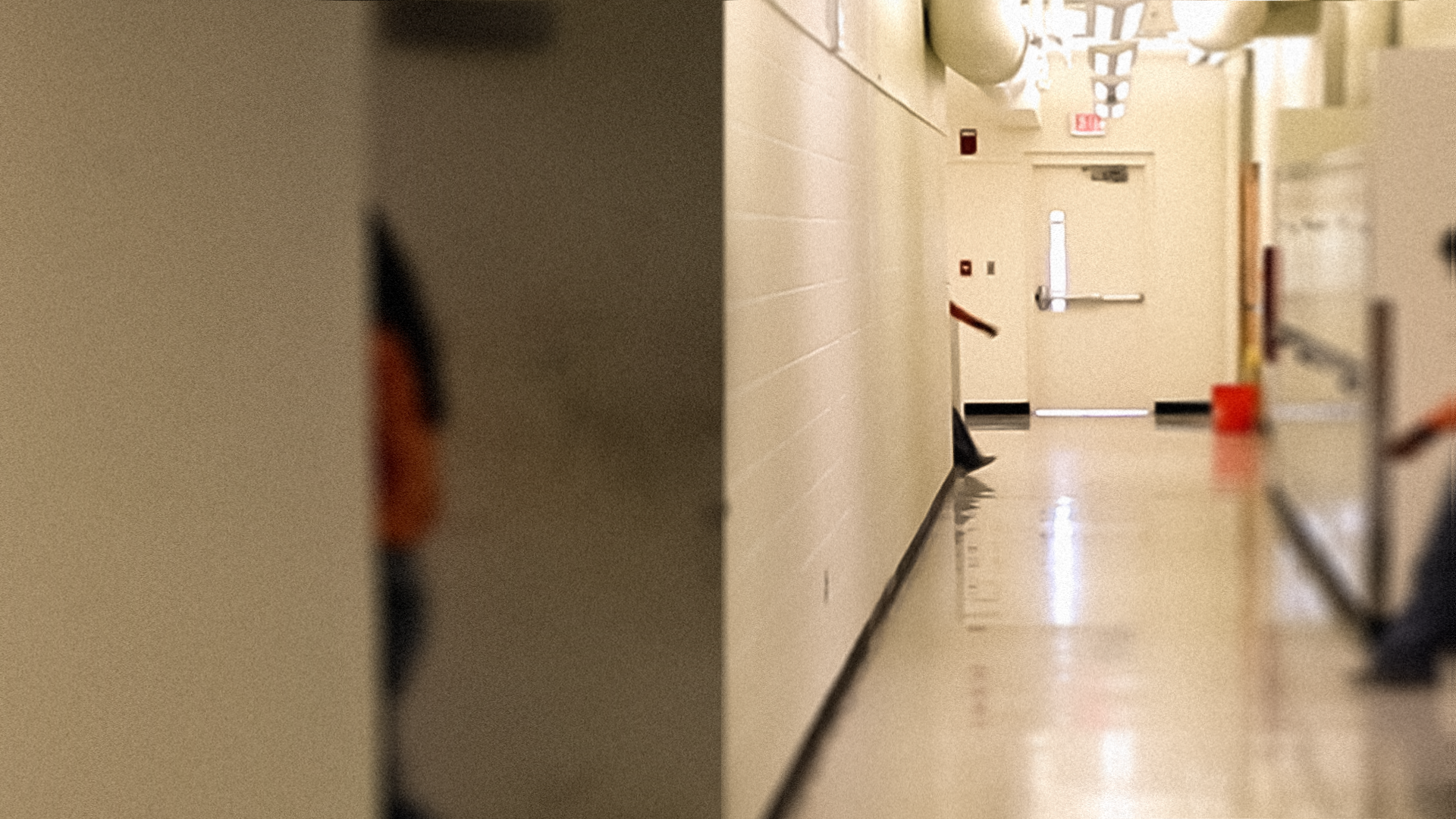
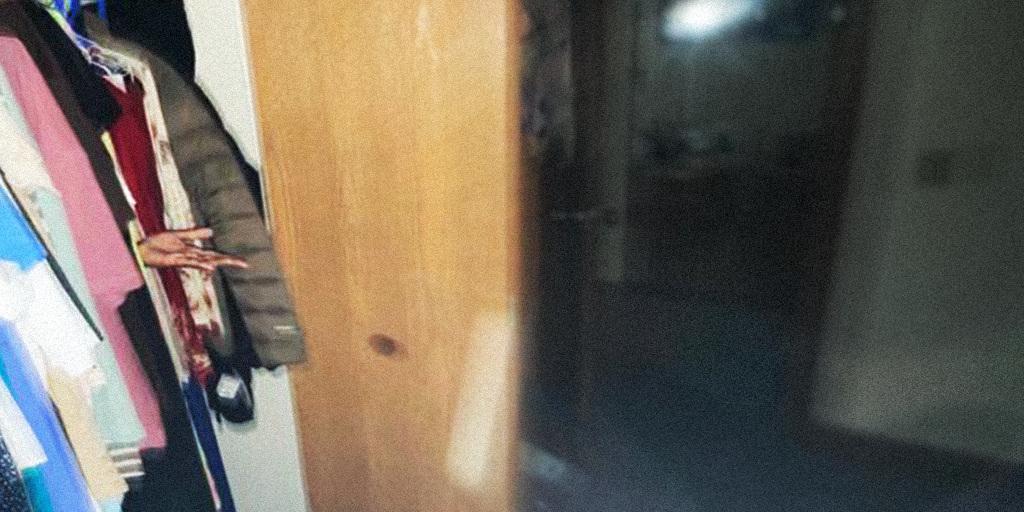
Uncanny examines how certain images lodge themselves in the mind and change the way the world is perceived. The series starts with ordinary scenes—objects in a room, the way a shadow falls, a figure caught mid-gesture—and photographs them at angles or distances that make the familiar feel slightly off. Nothing is staged to be dramatic; the strangeness comes from small shifts in scale, framing, or timing that tilt the scene just enough to unsettle.
As the images accumulate, a pattern forms: once the eye notices something that feels out of place, it begins to search for it everywhere. The photographs trace that mental loop, showing how the idea of the uncanny can act like a persistent echo, clinging to everyday surroundings and reshaping them.
Some images look harmless at first glance, then grow stranger the longer they’re studied. Others feel odd immediately, but for reasons that are hard to define. Together, they map how the mind reacts to ambiguity—how it fills gaps, invents tension, and holds onto moments that don’t fully make sense.
Uncanny isn’t about proving that the world is strange; it focuses on how easily the sense of strangeness can take root, how a single image can shift perception, and how that shift lingers long after the photograph is taken.











 syedway